About Us Sources
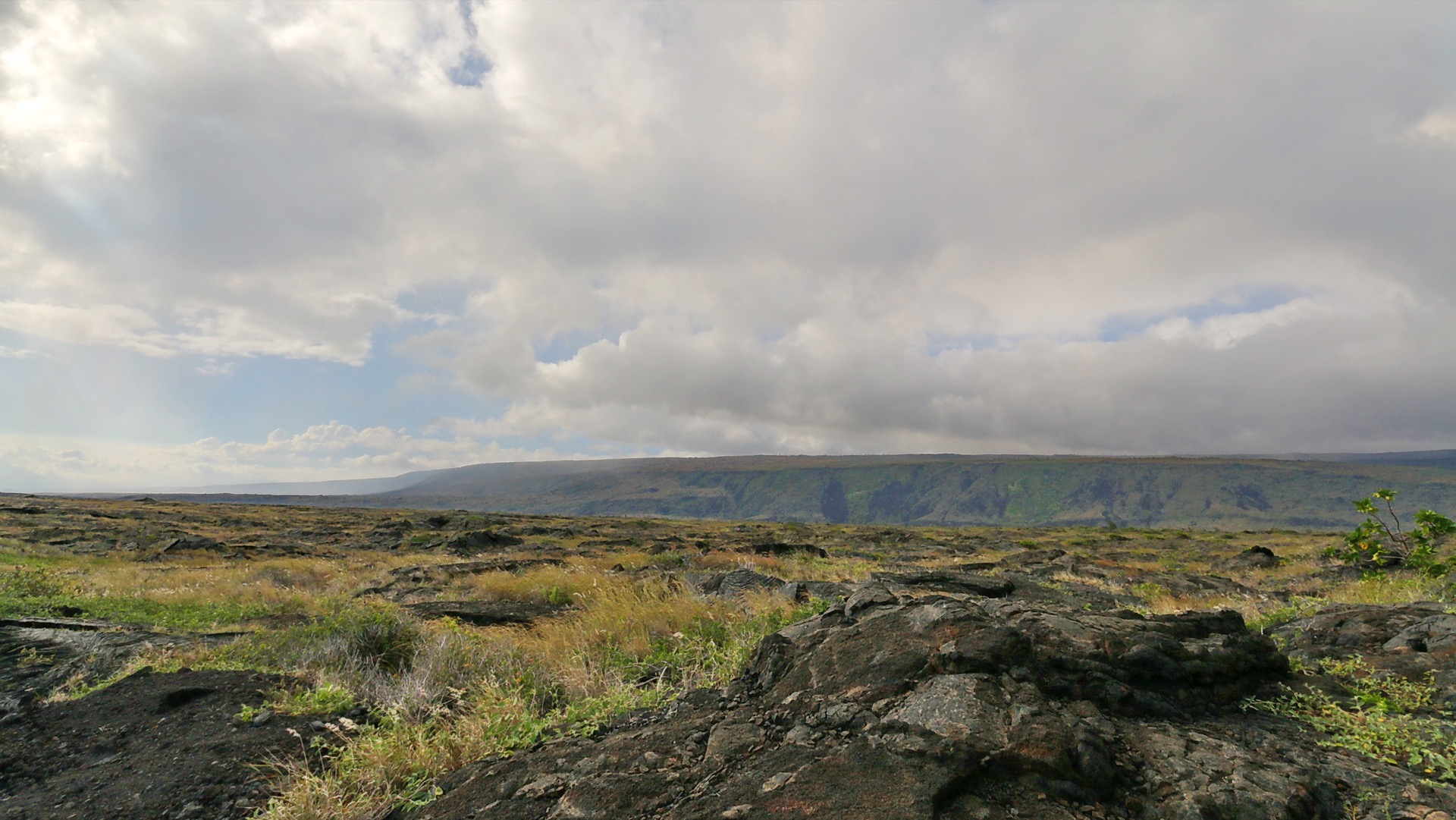
Kīlauea crater, Hawaiʻi Volcanoes National Park Photo: Robert Linsdell / Wikimedia Commons (CC BY 2.0)
All Parks
Hawaii · Est. 1916
Park Map PDF

Hawaiʻi Volcanoes

Kīlauea has erupted episodically from Halemaʻumaʻu since December 2024 — five live USGS Hawaiian Volcano Observatory cameras watch the summit crater around the clock.

Weather
--°F
Loading weather…
Wind --
Humidity --
Precip --
Air quality
--
Loading…
PM2.5 --
Ozone --
UV --
NPS alerts
Tap to expand
Loading advisories…
Summary
💵
$30
7-day vehicle fee
📷
5 live
HVO cameras
Historic Crowd Data
Avg. monthly visitors, 2015–2024 · National Park Service
Jan
Feb
Mar
Apr
May
Jun
Jul
Aug
Sep
Oct
Nov
Dec
Light Moderate Busy Very Busy
Peak season is December–January, when around 20% of annual visitors arrive. For lighter crowds, aim for April–May.
Plan Your Visit
🌋Current Eruption StatusAdvisory · Aviation Yellow
🌋 Kīlauea has been erupting episodically from Halemaʻumaʻu since December 23, 2024, with roughly 50 fountaining episodes so far, typically lasting hours and separated by pauses of weeks. As of this build, USGS's Volcano Alert Level is ADVISORY (Aviation Color Code YELLOW), with SO₂ emissions of 1,000–5,000 tonnes/day even during pauses. NPS's own alert: "Volcanic eruptions can be hazardous. Stay out of closed areas and monitor air quality." Volcanic ash, rock, and glassy strands (tephra) are present at the summit and can irritate skin, eyes, and airways — eye protection, long sleeves/pants, closed-toe shoes, and a dust mask are recommended. Given active volcanism, treat road/trail status as time-sensitive and always check current conditions before visiting. NPS current conditions ↗ · USGS HVO updates ↗
Quick Stats
Established1916
Eruption Episodes~50 since Dec 2024
SO₂ Emissions1,000–5,000 t/day
TimezoneHST, no DST
🪧Park Entrance & Fees$30 · ATB honored
Entry Fees · 7-day pass
Vehicle$30
Motorcycle$25
Individual / Bicycle$15
Hawaiʻi Tri-Park Annual$55
Cashless park · ages 15 & under free · America the Beautiful pass honored
⚠️Hazards & SafetyUnstable crater edges
⚠️ NPS: "Stay away from cliffs, cracks, and steam vents — these features are unstable and may collapse or be slippery." "Keep a safe distance from earth cracks, cliff edges, vents, fumaroles, and lava flows." Never enter closed areas — established overlooks exist for safe eruption viewing, and entering closed areas "can cause serious injury or death." Lava fields are shadeless and hot; carry at least 2 quarts of water per person. Vog (volcanic smog) can be hazardous to those with heart or respiratory conditions, infants, children, and pregnant visitors — check the air quality alert before visiting. NPS safety info ↗
🛣️Chain of Craters Road18.8 mi one-way
🌊 The road runs 18.8 miles one-way from the summit down to the coast. At the end, Hōlei Sea Arch — a ~90-ft lava sea arch — is viewed from an overlook about 1,000 feet past the road's end gate. Given ongoing eruptive activity, road and trail status can change quickly — always check current NPS conditions before driving down. NPS Chain of Craters info ↗
🥾Things to Do4 categories
Hiking Trails5 trails
Kīlauea Iki TrailMod.–Challenging
Descends through lush rainforest to cross the solidified lava lake on the floor of Kīlauea Iki crater
3.3–6.0 mi RT · 400 ft
Nāhuku (Thurston Lava Tube)Moderate
Rainforest walk into a roughly 500-year-old lava tube where molten lava once flowed
1.5–6.0 mi RT
Devastation TrailEasy
Paved, wheelchair- and stroller-accessible walk across a landscape reshaped by cinder from the 1959 Kīlauea Iki eruption
1 mi RT · Accessible
Crater Rim TrailEasy
Traces the edge of Kīlauea's summit caldera from Uēkahuna past steam vents, 2018-eruption aftermath, and rainforest
Puʻuloa PetroglyphsModerate
Coastal trail across a 500–550-year-old lava field to one of Hawaiʻi's most extensive petroglyph fields (~23,000 images)
1.4 mi RT
Biking3 areas
Crater Rim Drive & Chain of Craters RoadPaved
All paved roads open to vehicles in the Kīlauea District are open to bikes and e-bikes
Old Crater Rim Drive & Chain of Craters–Kalapana RoadGravel · Experienced
Gravel routes for experienced riders; ride single file on the right and yield to vehicles
Kahuku UnitThu–Sun, 8 AM–4 PM
Kahuku Road, Palm Trail & the Old Māmalahoa Highway spur are open to bikes; unit open Thursday–Sunday
Stargazing & Night SkyNot certified
Loading…
Hawaiʻi Volcanoes is not currently a certified Dark Sky Park, though NPS has described its skies as "one of the darkest places on the face of the Earth." Note that vog (volcanic smog) can reduce visibility and air quality for stargazing during active eruption periods. NPS current conditions ↗
Bird WatchingTop 5 species
'Io
'Io
Hawaiian Hawk, endemic to the Big Island
Nēnē
Nēnē
Hawai'i's state bird
'I'iwi
'I'iwi
Scarlet Hawaiian honeycreeper
'Apapane
'Apapane
Common in ohia forest canopy
Hawai'i 'Elepaio
Hawai'i 'Elepaio
Endemic forest flycatcher
Refreshing in 60s
🏕Campground AvailabilityFirst-come, first-served
NPS: "Campgrounds are first come, first served. No reservations." Neither campground uses Recreation.gov.
Nāmakanipaio$15/tent site
Sites16 tent sites, all first-come-first-served
CabinsSeparate reservation required — hawaiivolcanohouse.com / (844) 569-8849
NPS camping info ↗
Kulanaokuaiki$10/site
Sites9 walk-in sites, first-come-first-served
AmenitiesNo water, no campfires (stoves only), no pets
NPS camping info ↗
📍Landmarks3 stops
Key Locations3 stops
Halemaʻumaʻu
Active vent within Kīlauea's summit caldera, site of ongoing episodic eruptions
Volcano House
Historic crater-rim hotel, still operating today
Hōlei Sea Arch
~90-ft lava sea arch at the end of Chain of Craters Road
📞 Phone: (808) 985-6011 (not staffed regularly)  ·  Mailing Address: PO Box 52, Hawaii National Park, HI 96718  ·  Official NPS contact page ↗
Copyright ParkGauge.com 2026