Sign In Trip Planner Campsite Finder About Us Fun Facts
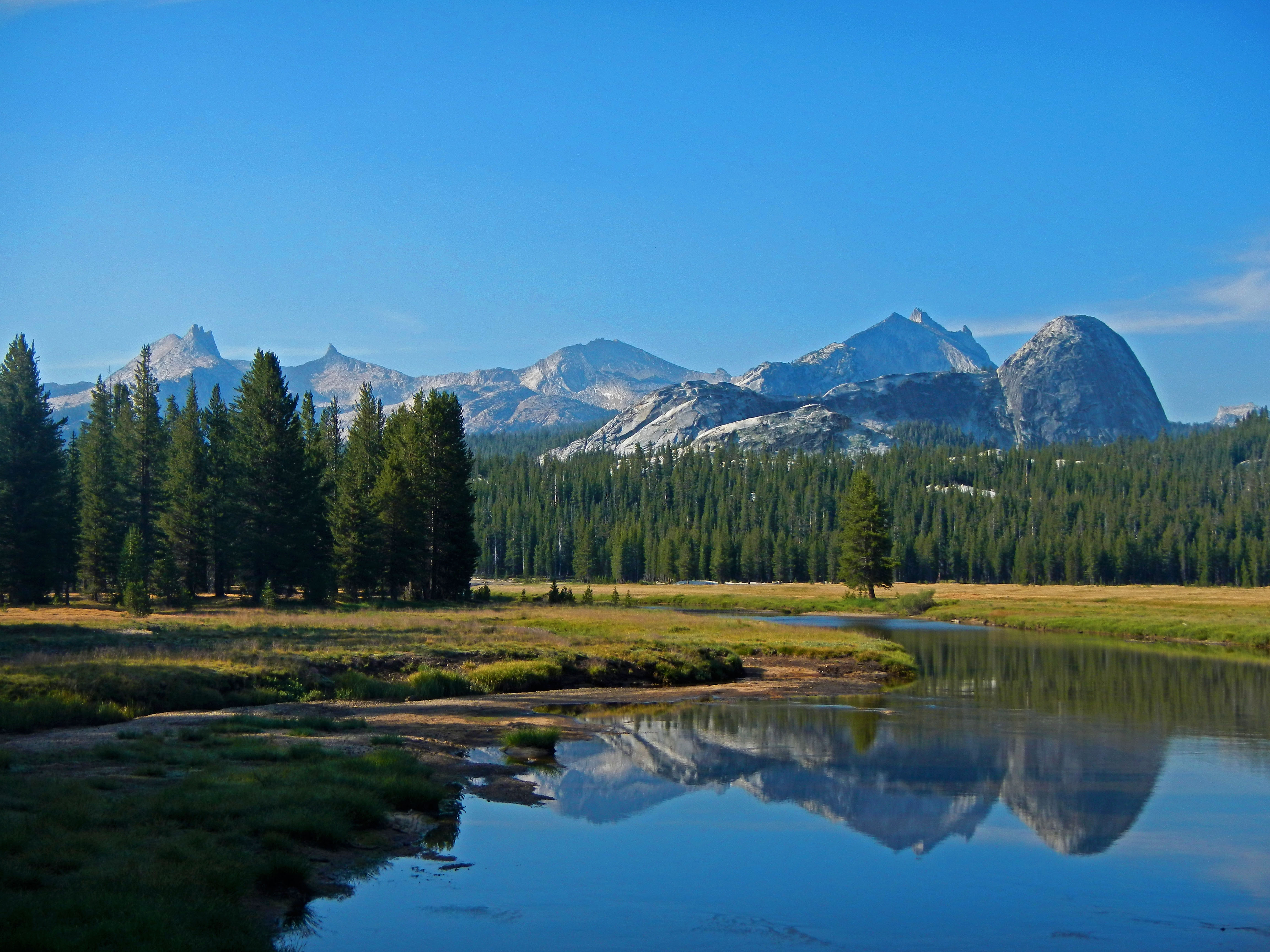
Glen Aulin meadow and river under a summer blue sky, Yosemite National Park
All Parks

Fun National Park Facts

Record-breakers, wild numbers and surprising details from all 63 national parks.

Did you know?

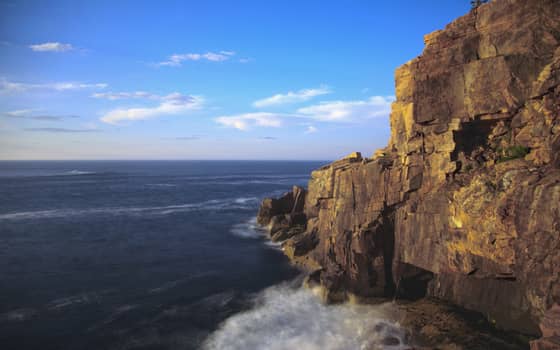
Golden light on the granite face of Otter Cliffs meeting the Atlantic, Acadia National Park

Acadia National Park

Maine · Est. 1919

  1. 1Sand Beach isn't actually made of sand — 70-80% of it is finely ground shell fragments. NPS.gov
  2. 2Cadillac Mountain is first in the U.S. to see sunrise, October 7 to March 6. NPS.gov
  3. 3Acadia's 45 miles of carriage roads were a gift from John D. Rockefeller Jr.. NPS.gov
Check Acadia right now →
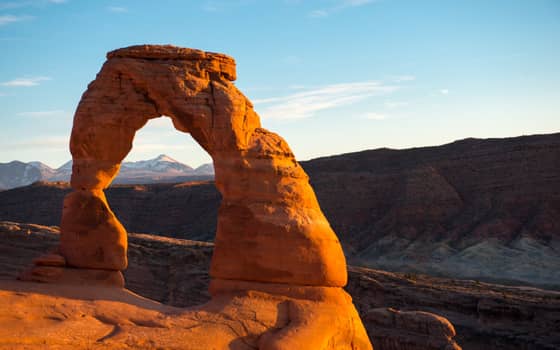
Delicate Arch, Arches National Park

Arches National Park

Utah · Est. 1971

  1. 1Landscape Arch, with a 306-foot span, has the longest span of any arch in North America. NPS.gov
  2. 2Arches National Park has more than 2,000 documented natural stone arches. NPS.gov
  3. 3Arches' arches and fins formed above a shifting underground salt layer. NPS.gov
Check Arches right now →
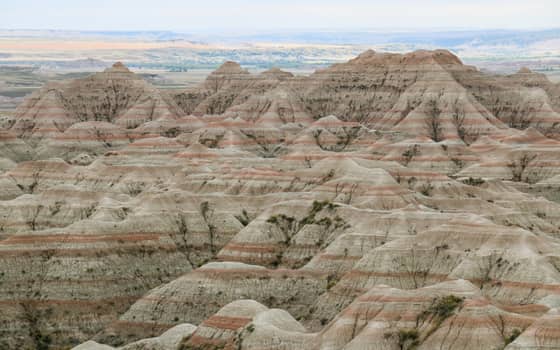
Eroded rock formations at Badlands National Park

Badlands National Park

South Dakota · Est. 1978

  1. 1Badlands National Park holds one of the world's richest fossil mammal beds. NPS.gov
  2. 2Bison returned to the Badlands in 1963 — today the herd numbers around 1,200. NPS.gov
  3. 3The Badlands erode about one inch per year, far faster than nearby Black Hills granite. NPS.gov
Check Badlands right now →
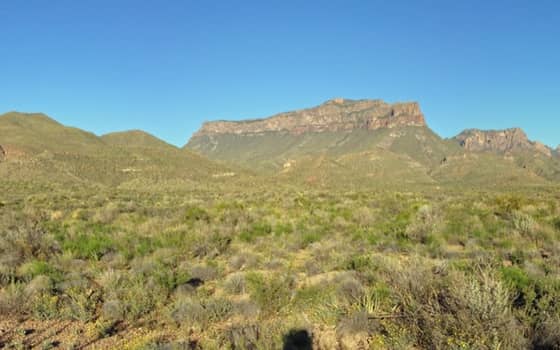
Chisos Mountains at sunrise, Big Bend National Park

Big Bend National Park

Texas · Est. 1944

  1. 1Black bears vanished from Big Bend by 1944, but returned on their own in the 1980s. NPS.gov
  2. 2Big Bend is home to 22 species of bats. NPS.gov
  3. 3More than 450 species of birds have been recorded at Big Bend National Park. NPS.gov
Check Big Bend right now →
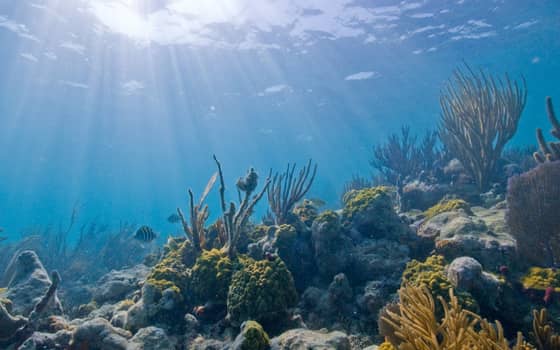
Underwater coral reef, Biscayne National Park

Biscayne National Park

Florida · Est. 1980

  1. 1Biscayne National Park is 95% water. NPS.gov
  2. 2Biscayne National Park's coral reefs are home to more than 500 species of reef fish. NPS.gov
  3. 3Biscayne's Maritime Heritage Trail features six mapped shipwrecks spanning a century. NPS.gov
Check Biscayne right now →
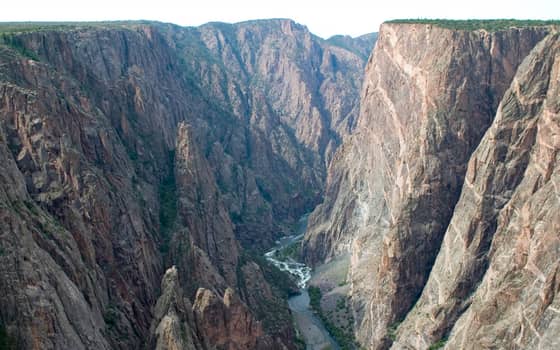
The Painted Wall, Colorado's tallest cliff, Black Canyon of the Gunnison National Park

Black Canyon

Colorado · Est. 1999

  1. 1Black Canyon narrows to just 40 feet wide at the river, in a spot called The Narrows. NPS.gov
  2. 2The Painted Wall, rising 2,250 feet from river to rim, is the tallest cliff in Colorado. NPS.gov
  3. 3Black Canyon of the Gunnison plunges 2,722 feet deep at its deepest point, Warner Point. NPS.gov
Check Black Canyon right now →
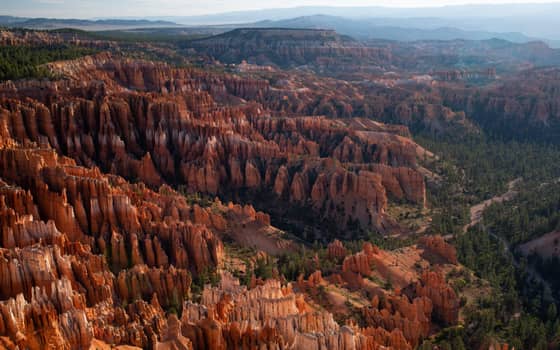
Amphitheater from Inspiration Point, Bryce Canyon National Park

Bryce Canyon National Park

Utah · Est. 1928

  1. 1The Bryce Amphitheater has the greatest concentration of hoodoos found anywhere on Earth. NPS.gov
  2. 2Bryce Canyon has over 170 nights a year that swing above and below freezing. NPS.gov
  3. 3Bryce Canyon was certified an International Dark Sky Park in 2019. NPS.gov
Check Bryce Canyon right now →
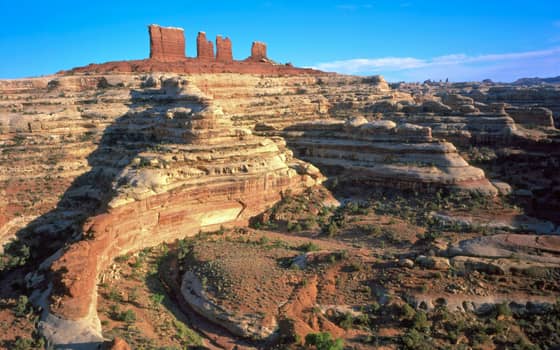
The Maze district, Canyonlands National Park

Canyonlands National Park

Utah · Est. 1964

  1. 1Canyonlands' Upheaval Dome may be an ancient meteorite impact crater. NPS.gov
  2. 2Below its rivers' confluence, Canyonlands' Cataract Canyon becomes world-class whitewater. NPS.gov
  3. 3The Green and Colorado Rivers divide Canyonlands into four roadless districts. NPS.gov
Check Canyonlands right now →
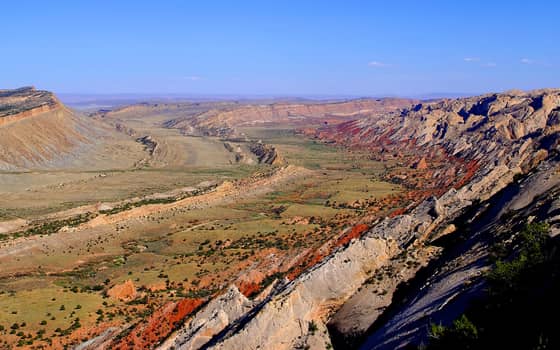
Strike Valley, Waterpocket Fold, Capitol Reef National Park

Capitol Reef National Park

Utah · Est. 1971

  1. 1Capitol Reef protects the Waterpocket Fold, a 100-mile wrinkle in the earth's crust. NPS.gov
  2. 2The historic Fruita orchards contain about 1,900 fruit trees planted by pioneers. NPS.gov
  3. 3Capitol Reef's name blends Capitol-like domes with "reef," a nautical term for a barrier. NPS.gov
Check Capitol Reef right now →
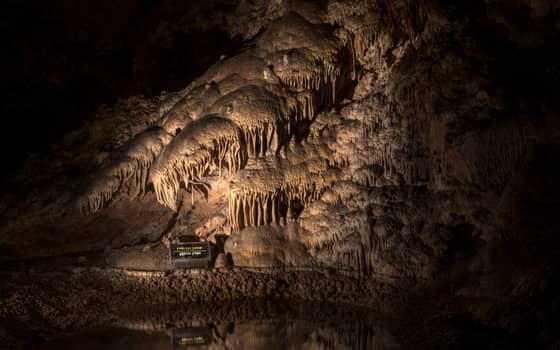
Mirror Lake reflecting cave formations in the Big Room at Carlsbad Caverns National Park

Carlsbad Caverns National Park

New Mexico · Est. 1930

  1. 1Carlsbad Caverns' Big Room is the largest single cave chamber by volume in North America. NPS.gov
  2. 2Carlsbad Caverns is home to a colony of around 400,000 Brazilian free-tailed bats. NPS.gov
  3. 3Carlsbad's caves were carved by sulfuric acid, unlike most of the world's caves. NPS.gov
Check Carlsbad Caverns right now →
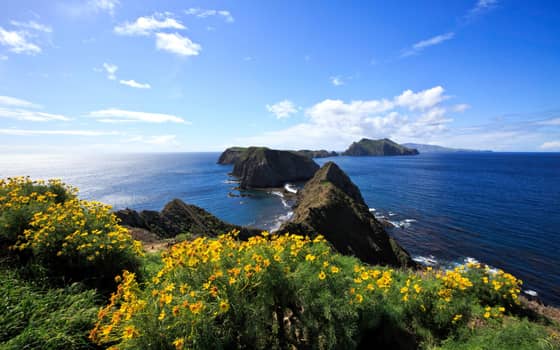
Inspiration Point, Channel Islands National Park

Channel Islands National Park

California · Est. 1980

  1. 1The island fox lives on only six of the eight Channel Islands, nowhere else on Earth. NPS.gov
  2. 2Isolation on the Channel Islands produced eight mammal species found nowhere else. NPS.gov
  3. 3Anacapa Island hosts the world's largest protected colony of western gulls. NPS.gov
Check Channel Islands right now →
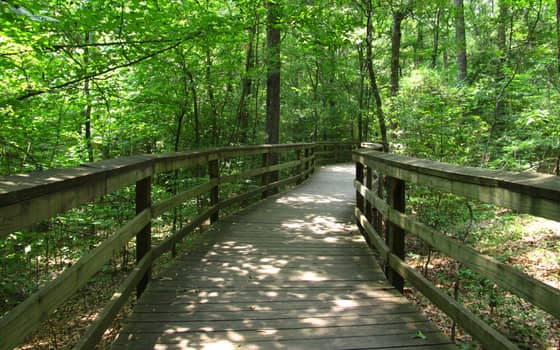
Elevated boardwalk through the bottomland forest at Congaree National Park

Congaree National Park

South Carolina · Est. 2003

  1. 1Congaree protects the largest old-growth bottomland forest in the southeastern U.S.. NPS.gov
  2. 2Some of Congaree's loblolly pines rise over 150 feet tall. NPS.gov
  3. 3Congaree is home to one of the tallest deciduous forests in the entire United States. NPS.gov
Check Congaree right now →
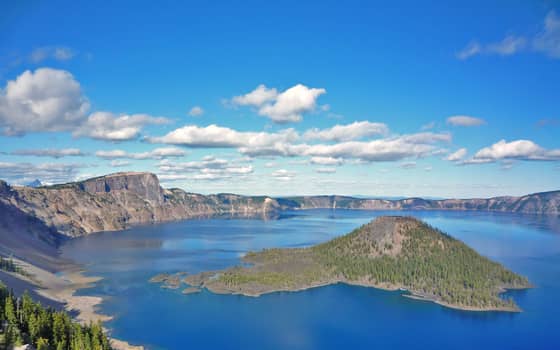
Wizard Island, Crater Lake National Park

Crater Lake National Park

Oregon · Est. 1902

  1. 1Crater Lake, at 1,943 feet deep, is the deepest lake in the United States. NPS.gov
  2. 2No rivers flow in or out of Crater Lake — it's filled entirely by rain and snow. NPS.gov
  3. 3Crater Lake formed when Mount Mazama, a 12,000-foot volcano, collapsed 7,700 years ago. NPS.gov
Check Crater Lake right now →
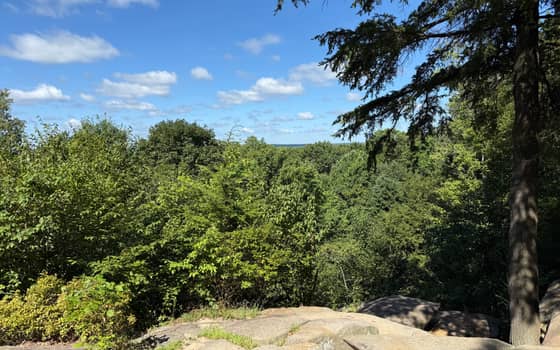
The Ledges overlook, Cuyahoga Valley National Park

Cuyahoga Valley National Park

Ohio · Est. 2000

  1. 1The infamous 1969 Cuyahoga River fire helped spark the Clean Water Act and the EPA. NPS.gov
  2. 2The Ohio & Erie Canal Towpath Trail runs 20 miles — the same path mules once walked. NPS.gov
  3. 3Bald eagles returned to nest in Cuyahoga Valley for the first time in 2006. NPS.gov
Check Cuyahoga Valley right now →
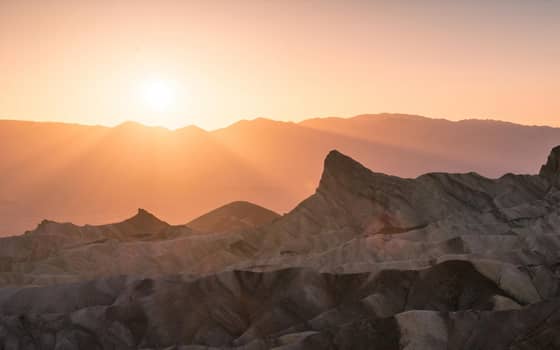
Zabriskie Point at sunset, Death Valley National Park

Death Valley National Park

California & Nevada · Est. 1994

  1. 1Death Valley holds Earth's hottest reliably recorded temperature — 134°F in 1913. NPS.gov
  2. 2Badwater Basin is the lowest point in North America — 282 feet below sea level. NPS.gov
  3. 3The Devils Hole pupfish survives only in a 40-acre detached unit of Death Valley. NPS.gov
Check Death Valley right now →
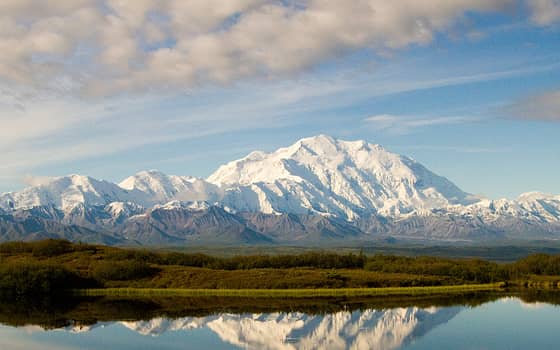
Denali reflected in Wonder Lake

Denali National Park

Alaska · Est. 1917

  1. 1Denali is the only national park with its own working kennel of sled dogs. NPS.gov
  2. 2Denali is home to the "Big Five" — wolves, bears, moose, caribou, and Dall sheep. NPS.gov
  3. 3Denali, at 20,310 feet, is the tallest mountain in North America. NPS.gov
Check Denali right now →
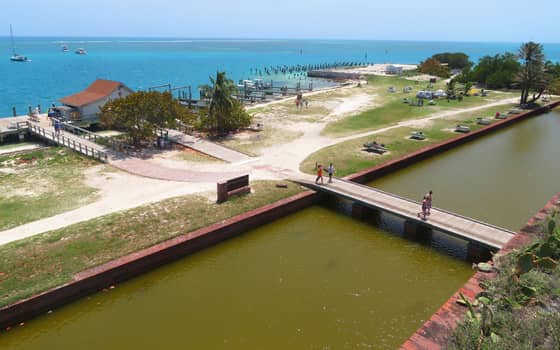
Fort Jefferson on Garden Key, Dry Tortugas National Park

Dry Tortugas National Park

Florida · Est. 1992

  1. 1Fort Jefferson, with about 2,000 arches, is the largest all-masonry fort in the U.S.. NPS.gov
  2. 2Dry Tortugas National Park is closer to Cuba than to the American mainland. NPS.gov
  3. 3Bush Key hosts up to 80,000 sooty terns, the only major U.S. colony of the species. NPS.gov
Check Dry Tortugas right now →
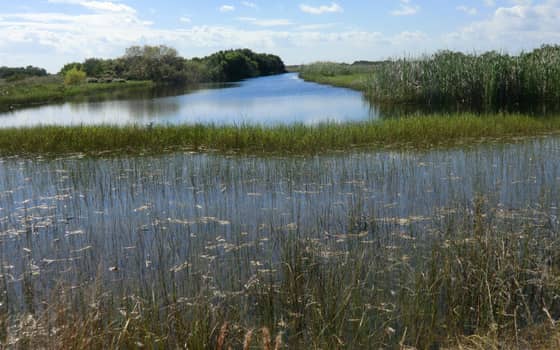
Pa-hay-okee overlook, River of Grass, Everglades National Park

Everglades National Park

Florida · Est. 1947

  1. 1South Florida's Everglades is the only place alligators and crocodiles coexist. NPS.gov
  2. 2Everglades, established in 1947, was the first U.S. park created to protect an ecosystem. NPS.gov
  3. 3Everglades protects the largest subtropical wilderness in the country. NPS.gov
Check Everglades right now →
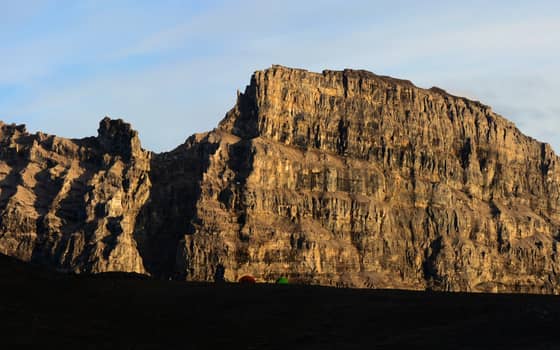
Limestack Mountain in the central Brooks Range, Gates of the Arctic National Park

Gates of the Arctic National Park

Alaska · Est. 1980

  1. 1Gates of the Arctic has no roads or trails anywhere — visitors must be self-sufficient. NPS.gov
  2. 2There are no visitor centers, campgrounds, or facilities inside Gates of the Arctic. NPS.gov
  3. 3Over half a million caribou from four herds migrate through Gates of the Arctic yearly. NPS.gov
Check Gates of the Arctic right now →
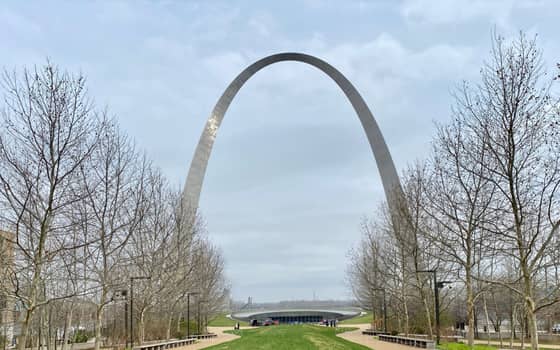
Gateway Arch, St. Louis

Gateway Arch National Park

Missouri · Est. 2018

  1. 1The Gateway Arch, at 630 feet tall, is the tallest monument in the United States. NPS.gov
  2. 2The Gateway Arch is exactly as wide as it is tall — 630 feet across at the base. NPS.gov
  3. 3The Gateway Arch is clad in 900 tons of polished stainless steel. NPS.gov
Check Gateway Arch right now →
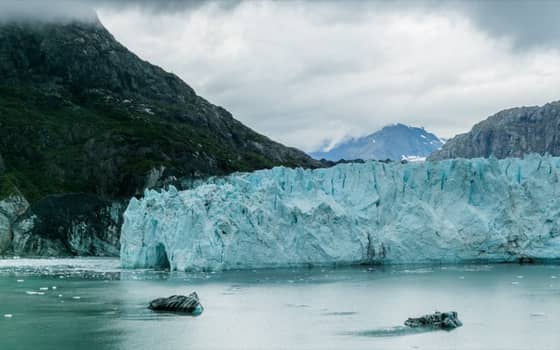
Margerie Glacier at Glacier Bay National Park

Glacier Bay National Park

Alaska · Est. 1980

  1. 1Land in upper Glacier Bay rises 1.26 inches a year — the fastest rebound on Earth. NPS.gov
  2. 2The glacier that once filled Glacier Bay has retreated 65 miles since about 1750. NPS.gov
  3. 3Nearly 250 humpback whales feed in Glacier Bay every summer. NPS.gov
Check Glacier Bay right now →
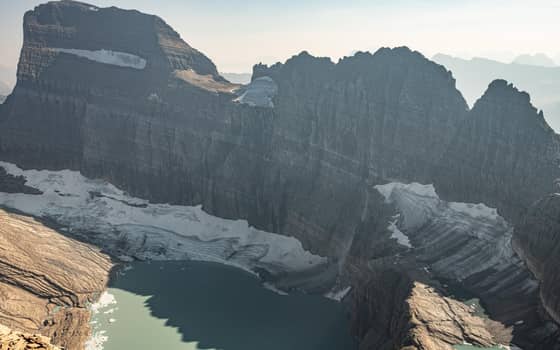
Grinnell Glacier, Glacier National Park

Glacier National Park

Montana · Est. 1910

  1. 1Glacier National Park had 80 glaciers in 1850 — only 26 remained by 2015. NPS.gov
  2. 2Water from Glacier's Triple Divide Peak reaches the Atlantic, Pacific, and Hudson Bay. NPS.gov
  3. 3There are an estimated 300 grizzly bears living in Glacier National Park. NPS.gov
Check Glacier right now →
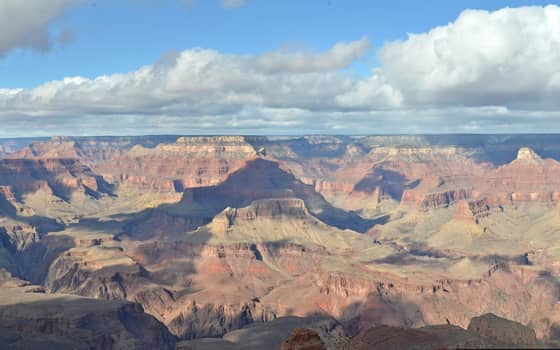
Wide canyon panorama under a blue sky, Grand Canyon National Park

Grand Canyon National Park

Arizona · Est. 1919

  1. 1Some exposed rock at the bottom of the Grand Canyon is nearly 1.8 billion years old. NPS.gov
  2. 2The Grand Canyon averages 1 mile deep and 10 miles across, rim to rim. NPS.gov
  3. 3The California condor, seen soaring over the Grand Canyon, has a wingspan up to 9.5 feet. NPS.gov
Check Grand Canyon right now →
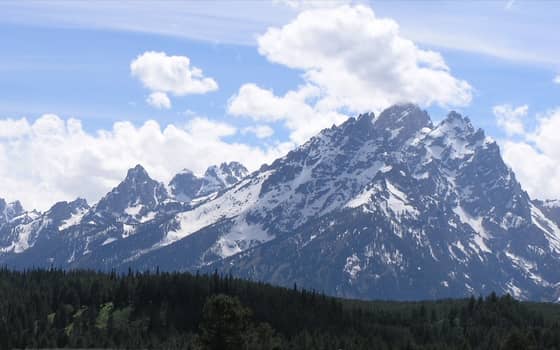
Cathedral Group panorama from Cathedral Group Scenic Turnout, Grand Teton National Park

Grand Teton National Park

Wyoming · Est. 1929

  1. 1The Teton Range rises one earthquake at a time — up to 10 feet per quake. NPS.gov
  2. 2The young Tetons contain rock dated to 2.7 billion years old. NPS.gov
  3. 3The Teton Range rises more than 7,000 feet above the valley of Jackson Hole. NPS.gov
Check Grand Teton right now →
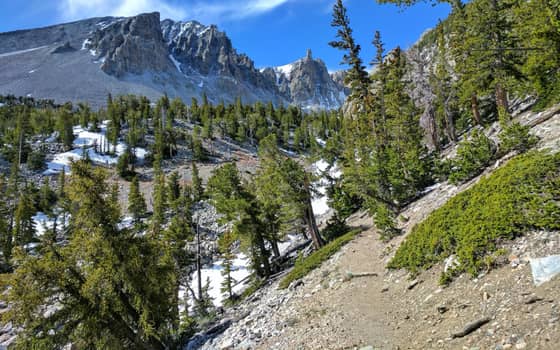
Wheeler Peak cirque, Great Basin National Park

Great Basin National Park

Nevada · Est. 1986

  1. 1Some Great Basin bristlecone pines are over 5,000 years old — among Earth's oldest trees. NPS.gov
  2. 2Lehman Caves contains an estimated 500 rare formations called cave shields. NPS.gov
  3. 3Wheeler Peak Glacier is the last surviving glacier in the entire state of Nevada. NPS.gov
Check Great Basin right now →
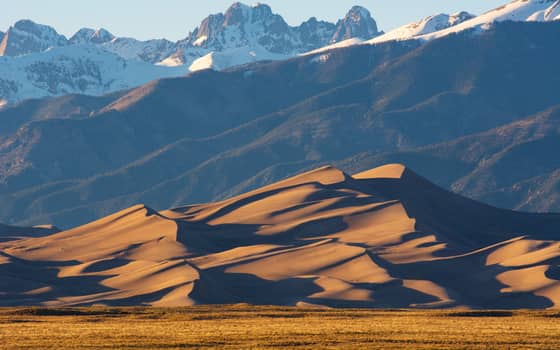
Great Sand Dunes with the Crestone Peaks in the background

Great Sand Dunes National Park

Colorado · Est. 2004

  1. 1Medano Creek produces a rare phenomenon called "surge flow" — rhythmic waves on sand. NPS.gov
  2. 2Star Dune is the tallest sand dune in North America, standing about 750 feet. NPS.gov
  3. 3Sand at Great Sand Dunes is constantly recycled by creeks flowing back into the dunes. NPS.gov
Check Great Sand Dunes right now →
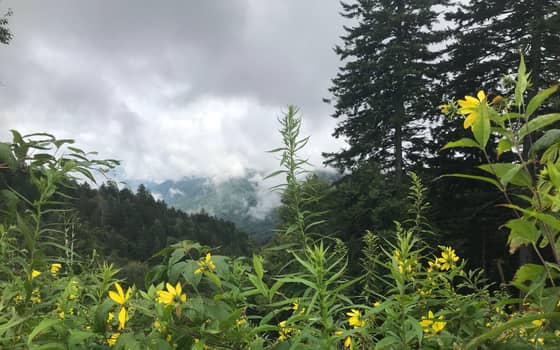
Hazy blue-ridge view from Newfound Gap after rain, Great Smoky Mountains National Park

Great Smoky Mountains National Park

Tennessee & North Carolina · Est. 1934

  1. 1Great Smoky Mountains is the "salamander capital of the world". NPS.gov
  2. 2Great Smoky Mountains is the most biodiverse national park, with over 19,000 species. NPS.gov
  3. 3An estimated 1,900 black bears live in the Smokies, the country's densest population. NPS.gov
Check Great Smoky Mountains right now →
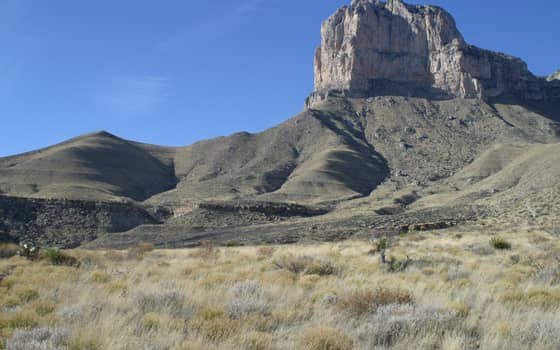
El Capitan cliff face, Guadalupe Mountains National Park

Guadalupe Mountains National Park

Texas · Est. 1972

  1. 1Guadalupe Peak, at 8,751 feet, is the highest point in the entire state of Texas. NPS.gov
  2. 2The Guadalupe Mountains preserve one of the world's finest ancient reef systems. NPS.gov
  3. 3El Capitan is a 1,000-foot-high limestone cliff that was once part of an ancient reef. NPS.gov
Check Guadalupe Mountains right now →
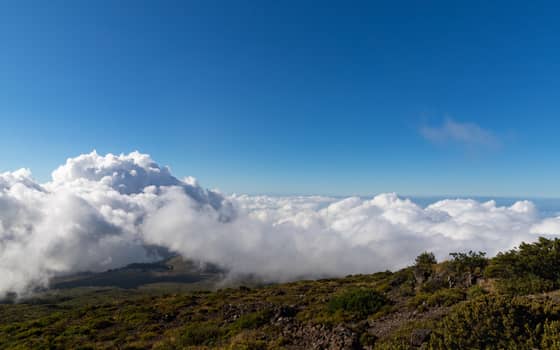
View above the clouds at Haleakalā National Park summit

Haleakalā National Park

Hawaii · Est. 1916

  1. 1The silversword plant in Haleakalā's crater can live 90 years, flowering just once. NPS.gov
  2. 2The nēnē, Hawaii's state bird, dropped to just 30 birds statewide by 1952. NPS.gov
  3. 3The Hawaiian Islands lie 2,400 miles from the nearest continent. NPS.gov
Check Haleakalā right now →
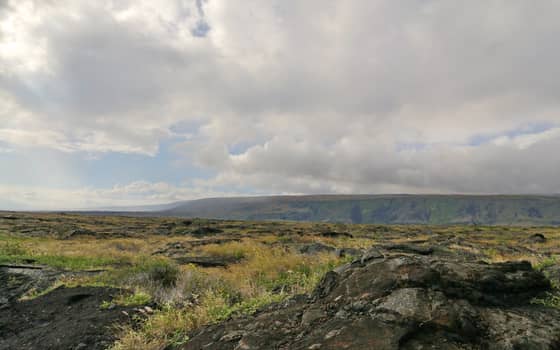
Kīlauea crater, Hawaiʻi Volcanoes National Park

Hawaiʻi Volcanoes National Park

Hawaii · Est. 1916

  1. 1Mauna Loa is the largest active volcano on Earth, rising 30,000+ feet from the seafloor. NPS.gov
  2. 2Kīlauea's Puʻu ʻŌʻō vent erupted almost continuously for 35 years, from 1983 to 2018. NPS.gov
  3. 3Over 90% of Hawaii's native species exist nowhere else on Earth. NPS.gov
Check Hawaiʻi Volcanoes right now →
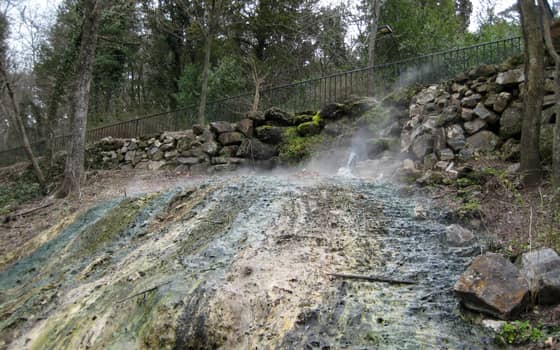
Mineral-stained thermal spring water flowing and steaming at Hot Springs National Park

Hot Springs National Park

Arkansas · Est. 1921

  1. 1Water at Hot Springs National Park emerges at 143°F after 4,000 years underground. NPS.gov
  2. 2Hot Springs Reservation, established in 1832, is the oldest federally preserved land. NPS.gov
  3. 3Hot Springs is the second-smallest national park in the country, at just 5,549 acres. NPS.gov
Check Hot Springs right now →
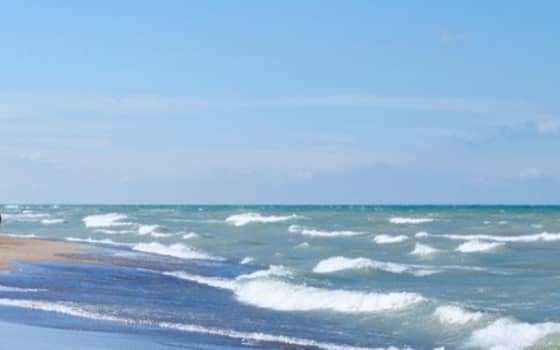
Beach and dunes at Indiana Dunes National Park along Lake Michigan

Indiana Dunes National Park

Indiana · Est. 2019

  1. 1Indiana Dunes ranks fourth in biological diversity among all national parks. NPS.gov
  2. 2Indiana Dunes is known as the "Birthplace of American Ecology". NPS.gov
  3. 3Indiana Dunes is home to about 1,130 native plant species. NPS.gov
Check Indiana Dunes right now →
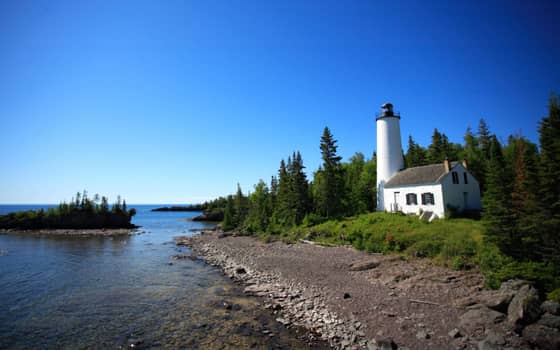
Rock Harbor Lighthouse on a rocky point at Isle Royale National Park

Isle Royale National Park

Michigan · Est. 1940

  1. 1Isle Royale is home to the world's longest-running predator-prey study, since 1958. NPS.gov
  2. 2By 2019, Isle Royale had just 14 wolves against over 2,000 moose. NPS.gov
  3. 3Isle Royale's closest mainland is Canada, not the United States. NPS.gov
Check Isle Royale right now →
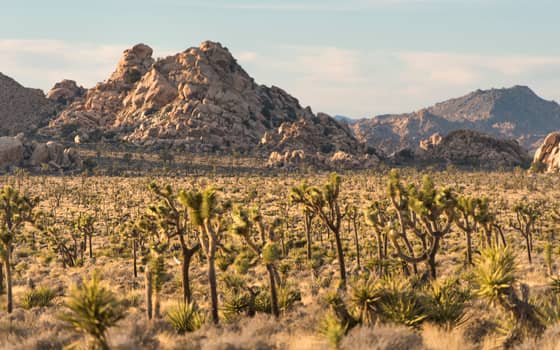
Lost Horse Valley, Joshua Tree National Park

Joshua Tree National Park

California · Est. 1994

  1. 1The Joshua tree isn't really a tree — it's a giant yucca related to agaves. NPS.gov
  2. 2Two deserts — the Mojave and the Colorado — meet inside Joshua Tree National Park. NPS.gov
  3. 3Desert tortoises in Joshua Tree spend about 95% of their lives underground. NPS.gov
Check Joshua Tree right now →
View toward Mt. Griggs, Katmai National Park

Katmai National Park

Alaska · Est. 1980

  1. 1Fat Bear Week, held every fall since 2014, celebrates Katmai's chunkiest brown bear. NPS.gov
  2. 2200,000 to 400,000 sockeye salmon leap Brooks Falls in Katmai every year. NPS.gov
  3. 3The 1912 Novarupta eruption, the 20th century's largest, formed Katmai's smoking valley. NPS.gov
Check Katmai right now →
Exit Glacier, the only road-accessible part of Kenai Fjords National Park

Kenai Fjords National Park

Alaska · Est. 1980

  1. 1The Harding Icefield covers about 700 square miles and feeds more than 30 glaciers. NPS.gov
  2. 2Exit Glacier is the only part of Kenai Fjords National Park you can reach by road. NPS.gov
  3. 3Kenai Fjords is home to nesting colonies of tufted and horned puffins. NPS.gov
Check Kenai Fjords right now →
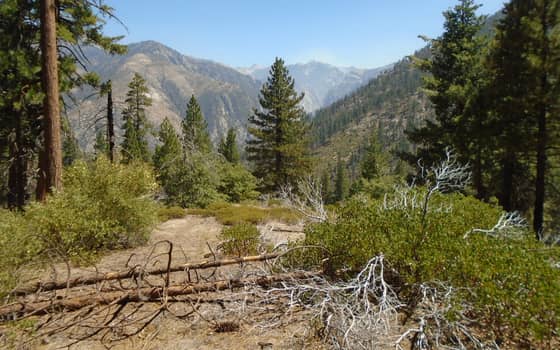
View of Kings Canyon from the Don Cecil Trail

Kings Canyon National Park

California · Est. 1940

  1. 1The General Grant Tree was declared the Nation's Christmas Tree in 1926. NPS.gov
  2. 2Glaciers carved Kings Canyon's steep granite cliffs into a wide U-shaped valley. NPS.gov
  3. 3Redwood Mountain Grove is one of the largest giant sequoia groves in the world. NPS.gov
Check Kings Canyon right now →
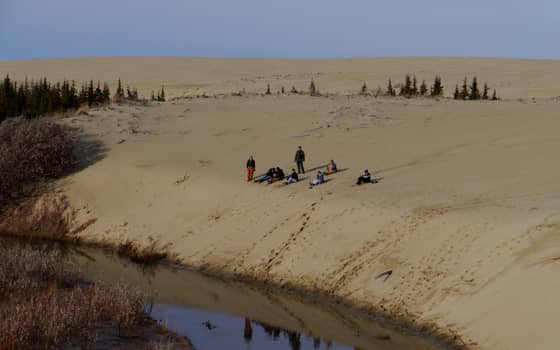
A hiker resting on the Great Kobuk Sand Dunes, an Arctic dune field in Kobuk Valley National Park

Kobuk Valley National Park

Alaska · Est. 1980

  1. 1The Great Kobuk Sand Dunes are the largest active sand dunes in the Arctic. NPS.gov
  2. 2Nearly half a million caribou migrate through Kobuk Valley National Park each year. NPS.gov
  3. 3Some peaks in Kobuk Valley's Baird Mountains are so remote they've never been named. NPS.gov
Check Kobuk Valley right now →
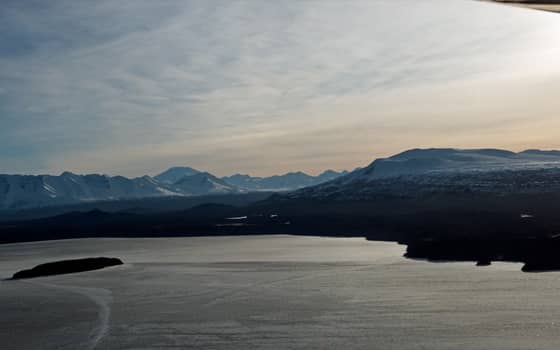
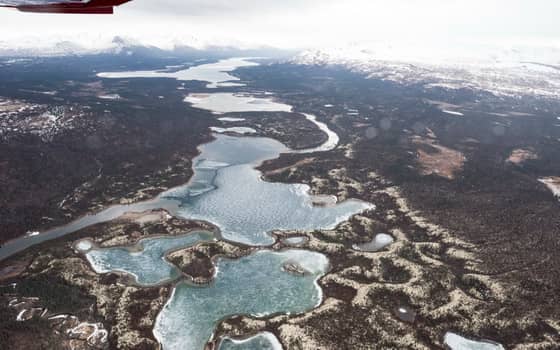
Frozen lakes and mountains in Lake Clark National Park

Lake Clark National Park

Alaska · Est. 1980

  1. 1Dick Proenneke hand-built his cabin at Lake Clark's Twin Lakes in 1967-68. NPS.gov
  2. 2Lake Clark is dominated by two active volcanoes over 10,000 feet tall. NPS.gov
  3. 3Lake Clark National Park has no roads — visitors arrive only by small plane or boat. NPS.gov
Check Lake Clark right now →
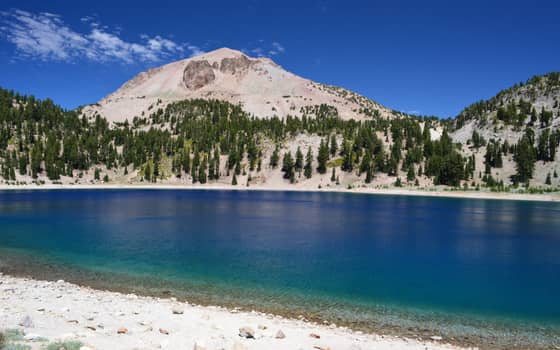
Lassen Peak and Lake Helen, Lassen Volcanic National Park

Lassen Volcanic National Park

California · Est. 1916

  1. 1Lassen Volcanic has all four volcano types on Earth in one park. NPS.gov
  2. 2Lassen Peak's 1914-1917 eruption was the Cascades' last before Mount St. Helens in 1980. NPS.gov
  3. 3Bumpass Hell is the largest hydrothermal area in Lassen Volcanic National Park. NPS.gov
Check Lassen Volcanic right now →
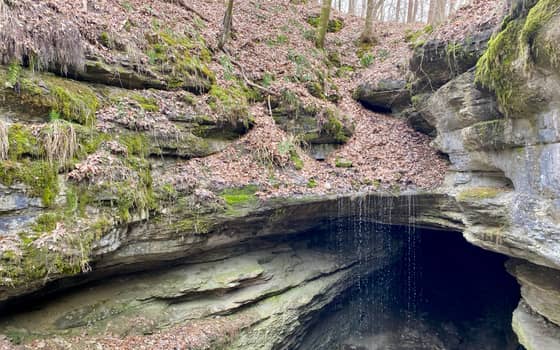
Historic Entrance to Mammoth Cave

Mammoth Cave National Park

Kentucky · Est. 1941

  1. 1Mammoth Cave is the longest known cave system in the world, mapped at 426 miles. NPS.gov
  2. 2In 1842, a doctor moved 16 tuberculosis patients into Mammoth Cave as an experiment. NPS.gov
  3. 3Mammoth Cave became the world's longest known cave in 1972, linked to Flint Ridge. NPS.gov
Check Mammoth Cave right now →
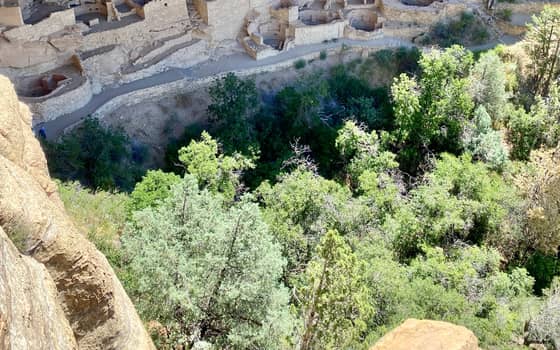
Cliff Palace viewed from Cliff Palace Overlook, Mesa Verde National Park

Mesa Verde National Park

Colorado · Est. 1906

  1. 1Mesa Verde's Cliff Palace is the largest cliff dwelling in all of North America. NPS.gov
  2. 2Mesa Verde was the first U.S. national park created to protect human history. NPS.gov
  3. 3Mesa Verde protects more than 5,000 archeological sites, including 600 cliff dwellings. NPS.gov
Check Mesa Verde right now →
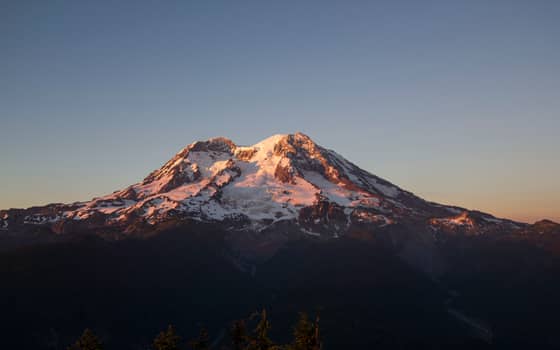
Mount Rainier at sunset

Mount Rainier National Park

Washington · Est. 1899

  1. 1Paradise, on Mount Rainier, once held the world snowfall record — 1,122 inches in a year. NPS.gov
  2. 2Mount Rainier's Emmons Glacier is the largest by area in the contiguous U.S.. NPS.gov
  3. 3Mount Rainier is an active volcano, watched around the clock by seismic monitors. NPS.gov
Check Mount Rainier right now →
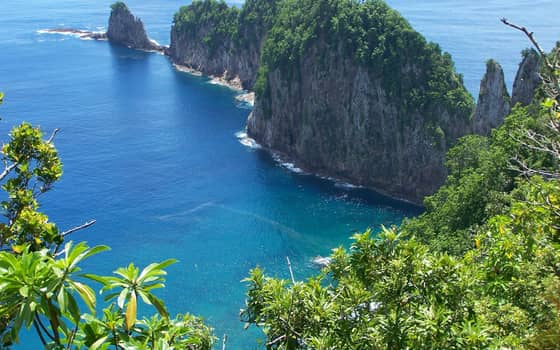
Pola Island, Tutuila, National Park of American Samoa

National Park of American Samoa

American Samoa · Est. 1988

  1. 1The National Park of American Samoa is the only NPS unit south of the Equator. NPS.gov
  2. 2The park's rainforest canopy is home to flying foxes — giant fruit bats. NPS.gov
  3. 3Scientists found one of the world's largest corals near American Samoa's Ta'u Island. NPS.gov
Check American Samoa right now →
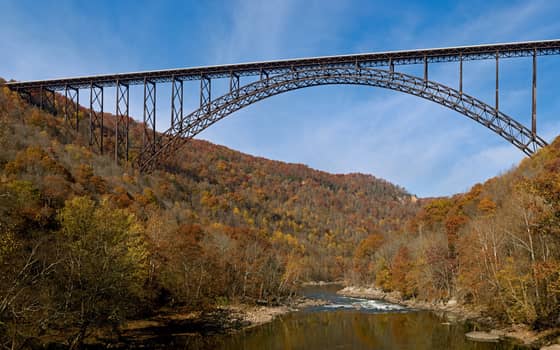
New River Gorge Bridge, West Virginia

New River Gorge National Park & Preserve

West Virginia · Est. 2020

  1. 1The New River Gorge Bridge stretches 3,030 feet long and 876 feet above the river. NPS.gov
  2. 2The New River Gorge Bridge is the longest steel span in the entire Western Hemisphere. NPS.gov
  3. 3New River Gorge has more than 1,400 established rock climbing routes. NPS.gov
Check New River Gorge right now →
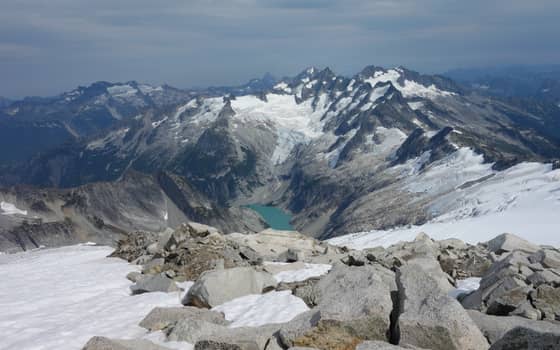
Jagged peaks and glaciers, North Cascades National Park

North Cascades National Park

Washington · Est. 1968

  1. 1North Cascades has more than 300 glaciers — the most glaciated area outside Alaska. NPS.gov
  2. 2North Cascades National Park is nicknamed the "American Alps". NPS.gov
  3. 3Federal agencies decided in 2024 to restore grizzly bears to the North Cascades. NPS.gov
Check North Cascades right now →
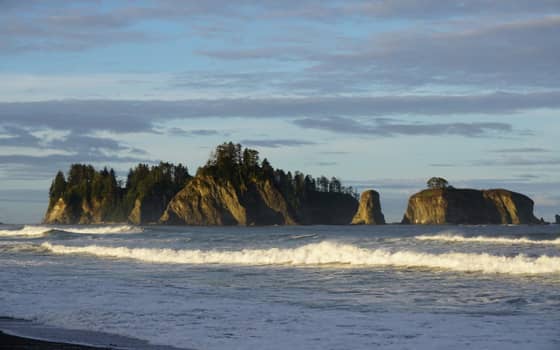
Sea stacks along the Olympic coast, Olympic National Park

Olympic National Park

Washington · Est. 1938

  1. 1The Hoh Rain Forest in Olympic National Park receives up to 12 feet of rain every year. NPS.gov
  2. 2The Olympic marmot lives only in the Olympic Mountains, nowhere else on Earth. NPS.gov
  3. 3Olympic protects three ecosystems — glacier-capped peaks, rainforest, and coastline. NPS.gov
Check Olympic right now →
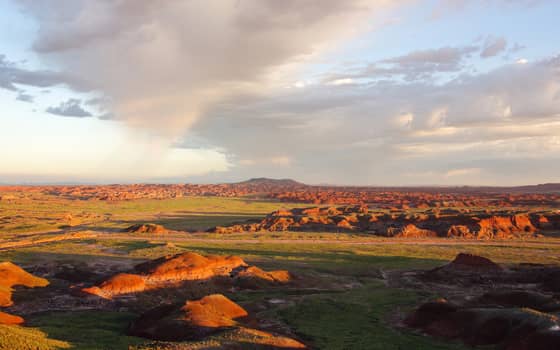
Painted Desert at sunset, Petrified Forest National Park

Petrified Forest National Park

Arizona · Est. 1962

  1. 1The petrified wood here is over 200 million years old and made almost entirely of quartz. NPS.gov
  2. 2Petrified Forest is the only national park containing a section of Historic Route 66. NPS.gov
  3. 3The Painted Desert's colors come from iron and manganese minerals in ancient soil. NPS.gov
Check Petrified Forest right now →
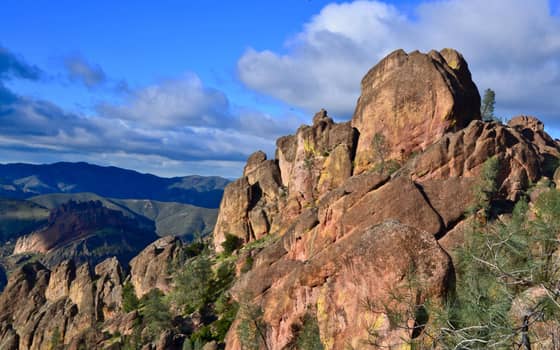
High Peaks and condors, Pinnacles National Park

Pinnacles National Park

California · Est. 2013

  1. 1Pinnacles' rock spires formed 195 miles away, carried here by the San Andreas Fault. NPS.gov
  2. 2Pinnacles is the only NPS site with a release program for California condors. NPS.gov
  3. 3Pinnacles is home to 14 of the 23 bat species found in California. NPS.gov
Check Pinnacles right now →
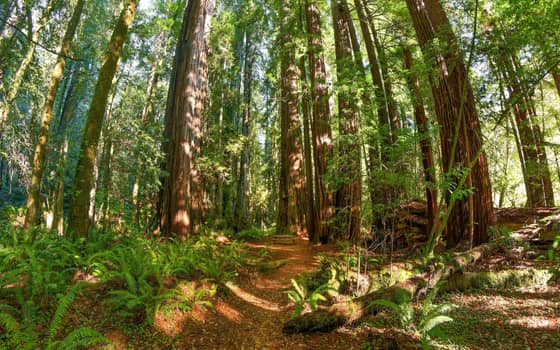
Redwood grove, Redwood National and State Parks

Redwood National and State Parks

California · Est. 1968

  1. 1Coast redwoods are the tallest trees in the world — some over 350 feet tall. NPS.gov
  2. 2Redwoods get up to 40% of their water from fog each year. NPS.gov
  3. 3Coast redwood bark can grow up to 12 inches thick, making mature trees nearly fireproof. NPS.gov
Check Redwood right now →
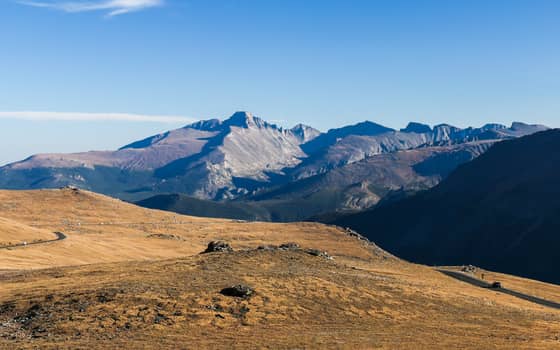
Trail Ridge Road with Longs Peak in the distance, Rocky Mountain National Park

Rocky Mountain National Park

Colorado · Est. 1915

  1. 1Trail Ridge Road is the highest continuous paved road in the U.S., at 12,183 feet. NPS.gov
  2. 2Every autumn, elk descend into Rocky Mountain's meadows to bugle and breed. NPS.gov
  3. 3Longs Peak, at 14,259 feet, towers over every summit in Rocky Mountain National Park. NPS.gov
Check Rocky Mountain right now →
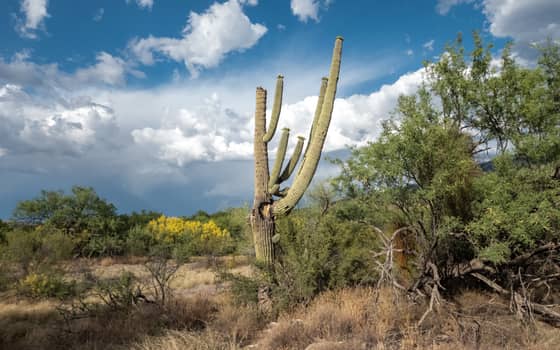
A multi-armed saguaro cactus silhouetted against a blue sky with large white clouds, Saguaro National Park

Saguaro National Park

Arizona · Est. 1994

  1. 1A saguaro cactus can live 150-175 years on average, sometimes more than 200. NPS.gov
  2. 2A large, hydrated saguaro can weigh about 80 pounds per foot of trunk height. NPS.gov
  3. 3The saguaro cactus grows naturally only in the Sonoran Desert. NPS.gov
Check Saguaro right now →
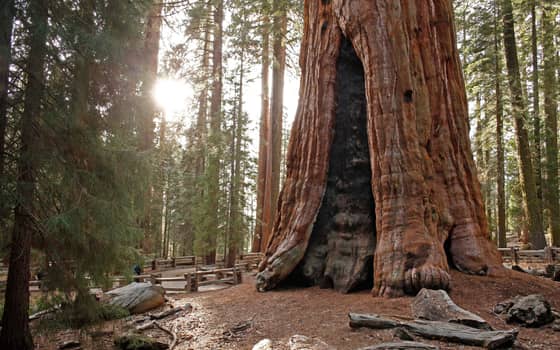
Sunlight shining behind a giant sequoia tree, Sequoia National Park

Sequoia National Park

California · Est. 1890

  1. 1Sequoia's General Sherman is the largest tree on Earth by volume. NPS.gov
  2. 2Mount Whitney, tallest peak in the contiguous U.S. at 14,505 feet, rises in Sequoia. NPS.gov
  3. 3Giant sequoias grow wild only along the west slope of California's Sierra Nevada. NPS.gov
Check Sequoia right now →
Crescent Rock Overlook along Skyline Drive, Shenandoah National Park

Shenandoah National Park

Virginia · Est. 1935

  1. 1Only 2 black bears were reported in Shenandoah in 1937 — today it's in the hundreds. NPS.gov
  2. 2Skyline Drive runs 105 miles along the Blue Ridge — Shenandoah's only public road. NPS.gov
  3. 376 scenic overlooks were built along Skyline Drive for visitors to take in the views. NPS.gov
Check Shenandoah right now →
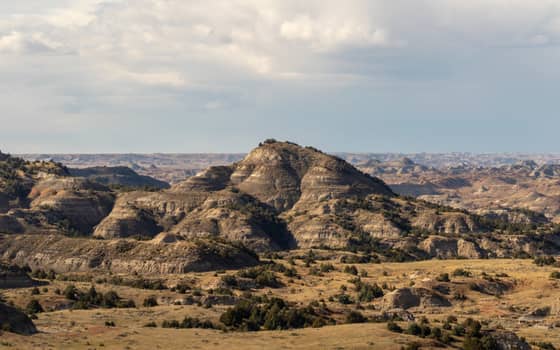
Badlands at Theodore Roosevelt National Park

Theodore Roosevelt National Park

North Dakota · Est. 1978

  1. 1Roosevelt said he "would not have been President" without ranching in North Dakota. NPS.gov
  2. 2Roosevelt invested $14,000 in his Dakota ranch in 1883 — more than his salary. NPS.gov
  3. 3Theodore Roosevelt National Park has a free-roaming herd of roughly 200 wild horses. NPS.gov
Check Theodore Roosevelt right now →
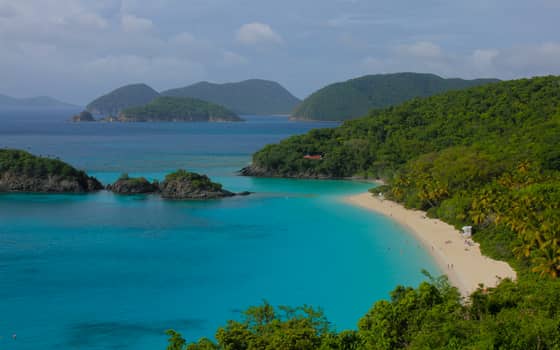
Trunk Bay, St. John, Virgin Islands National Park

Virgin Islands National Park

US Virgin Islands · Est. 1956

  1. 1Trunk Bay's Underwater Snorkel Trail runs about 300 feet along Trunk Bay Cay. NPS.gov
  2. 2Virgin Islands National Park covers nearly two-thirds of St. John Island. NPS.gov
  3. 3Taino petroglyphs carved by the island's native people still line the Reef Bay Trail. NPS.gov
Check Virgin Islands right now →
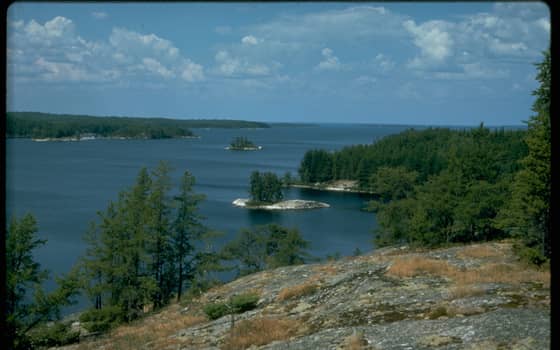
Lake landscape at Voyageurs National Park

Voyageurs National Park

Minnesota · Est. 1975

  1. 1Voyageurs National Park contains nearly 84,000 acres of water across 30 lakes. NPS.gov
  2. 2Voyageurs National Park is named for the French-Canadian fur-trade canoemen. NPS.gov
  3. 3Voyageurs National Park holds evidence of more than 10,000 years of human life. NPS.gov
Check Voyageurs right now →
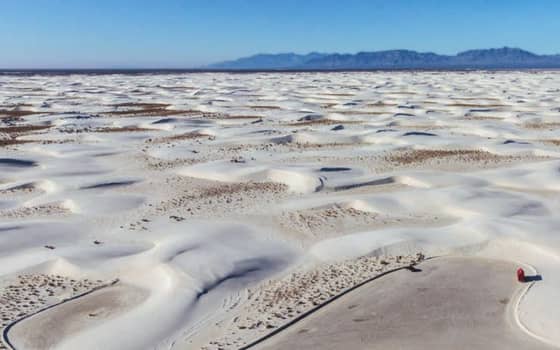
Aerial view of the gypsum dunefield at White Sands National Park

White Sands National Park

New Mexico · Est. 2019

  1. 1White Sands protects part of the world's largest gypsum dune field — 275 square miles. NPS.gov
  2. 2White Sands has about 40 endemic moth species, more than anywhere else in North America. NPS.gov
  3. 3The White Sands pupfish is found nowhere else in the world. NPS.gov
Check White Sands right now →
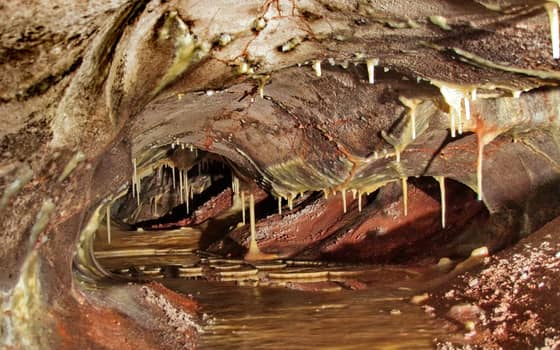
Stalactites reflected in a pool along Skyway Lake in Wind Cave

Wind Cave National Park

South Dakota · Est. 1903

  1. 1Boxwork, a rare cave formation, is more abundant in Wind Cave than anywhere else. NPS.gov
  2. 2Wind Cave got its name in 1881, when brothers followed a whistling noise to its entrance. NPS.gov
  3. 3Wind Cave, established in 1903, was the world's first cave-based national park. NPS.gov
Check Wind Cave right now →
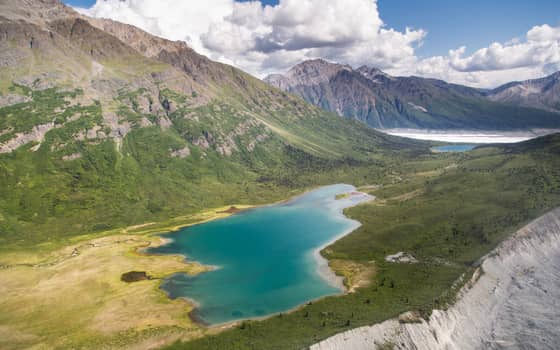
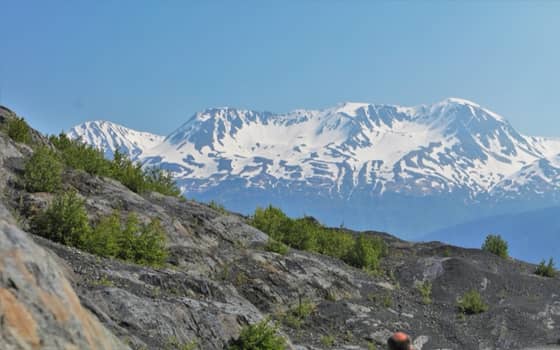
Donoho Basin alpine terrain, Wrangell-St. Elias National Park

Wrangell-St. Elias National Park

Alaska · Est. 1980

  1. 1Wrangell-St. Elias, at 13.2 million acres, is the largest national park in the U.S.. NPS.gov
  2. 2The Nabesna Glacier is the world's longest interior valley glacier, at 53 miles. NPS.gov
  3. 3Mount Wrangell, at 14,005 feet, is an active volcano still venting steam. NPS.gov
Check Wrangell-St. Elias right now →
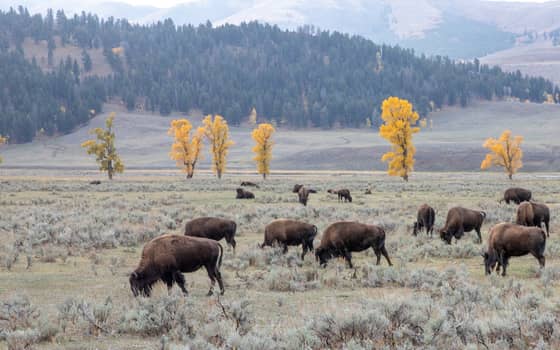
Bison herd grazing in Lamar Valley with golden autumn cottonwoods, Yellowstone National Park

Yellowstone National Park

Wyoming, Montana & Idaho · Est. 1872

  1. 1Yellowstone is home to more than 300 geysers — about half of all geysers on Earth. NPS.gov
  2. 2Old Faithful can erupt as high as 180 feet, averaging about 130 feet per eruption. NPS.gov
  3. 3Yellowstone became the world's very first national park in 1872. NPS.gov
Check Yellowstone right now →
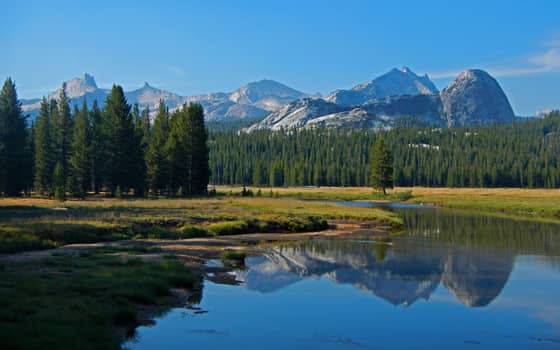
Glen Aulin meadow and river under a summer blue sky, Yosemite National Park

Yosemite National Park

California · Est. 1890

  1. 1Yosemite Falls is the tallest waterfall in the United States, plunging 2,425 feet. NPS.gov
  2. 2Yosemite's Grizzly Giant sequoia is estimated to be about 3,000 years old. NPS.gov
  3. 3Yosemite covers 747,956 acres — with nearly 95% protected as Wilderness. NPS.gov
Check Yosemite right now →
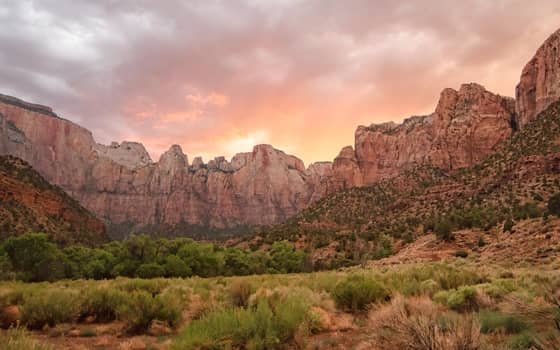
Towers of the Virgin, Zion National Park

Zion National Park

Utah · Est. 1919

  1. 1Zion's Narrows walls rise 2,000 feet, while the river narrows to 20-30 feet wide. NPS.gov
  2. 2Zion's Navajo Sandstone is over 2,000 feet thick in places. NPS.gov
  3. 3Desert bighorn sheep, reintroduced to Zion in 1973, now number more than 500. NPS.gov
Check Zion right now →

No parks match that search. Try a state or a keyword like “cave”.

Every fact links to its source on NPS.gov.

Copyright ParkGauge.com 2026 · Terms · Privacy · Sources